Advertisement
Artificial intelligence has steadily found its place in modern vehicles. It’s not a flashy feature—it works quietly in the background, handling tasks we’ve grown to expect from a smart car. Whether it’s reading road signs or helping with steering, AI handles split-second decisions and subtle adjustments that support drivers rather than replace them. As it becomes more embedded in everyday models, it’s helping make cars safer, more efficient, and easier to live with. Below are 24 real ways automotive AI is shaping today’s driving experience.
Unlike basic cruise control, adaptive cruise control (ACC) uses sensors and machine learning to maintain a safe distance from the car ahead. It adjusts the car’s speed automatically in response to changing traffic, slowing down or speeding up based on vehicle proximity without driver input.
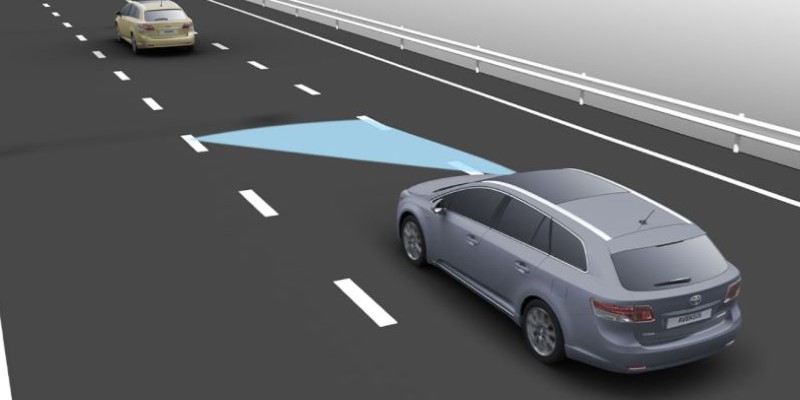
AI watches road markings through onboard cameras to detect if the vehicle is drifting. If it senses the car moving unintentionally out of its lane, it adjusts the steering slightly, keeping the vehicle centered and reducing the chance of lane departure accidents.
Using computer vision, AI identifies and interprets road signs such as speed limits, stop signs, and yield warnings. It then relays this information to the driver, often displaying it on the dashboard to help reduce overlooked signs, especially in unfamiliar locations.
AI-enhanced braking systems constantly monitor for potential collisions using radar and cameras. If the car senses a likely impact and the driver hasn’t reacted, it applies the brakes on its own to either avoid the crash or reduce the severity.
These systems go beyond sensors. Using AI, the vehicle calculates the best path into a parking spot and executes the maneuver with little or no driver involvement, including parallel parking or reversing into tight spaces.
AI tracks driver alertness through facial recognition and infrared cameras. It looks for signs of fatigue, distraction, or drowsiness, warning the driver to take a break or pay attention if needed.
Navigation today isn’t just about directions. AI adjusts routes based on real-time traffic, user driving habits, and current road conditions. This makes trips faster, more efficient, and less stressful.
AI voice systems in cars now understand casual, natural speech. You can make a call, change the music, or adjust the temperature just by speaking normally. The more you use it, the better it gets at understanding you.
By analyzing sensor data over time, AI forecasts potential mechanical problems. It alerts the driver to fix issues early, which can prevent unexpected breakdowns and improve overall reliability.
AI systems monitor user preferences and weather patterns to adjust cabin temperature automatically. Over time, the car "learns" your comfort habits and begins to set the climate just how you like it.
AI systems scan the environment for pedestrians—even at night or in poor visibility. They can distinguish people from other objects and alert the driver or trigger emergency braking when needed.
Self-driving cars depend on layers of AI. They combine camera feeds, lidar, and machine learning to detect lanes, read signs, interpret traffic, and make informed driving decisions in real time without human input.
Entertainment systems now adjust based on user behavior. AI remembers favorite artists, preferred routes, and even regular destinations, tailoring the driving experience to the individual.
When something goes wrong, AI systems can often identify the issue faster than traditional diagnostics. They look at sensor data patterns and notify the driver or even the service center directly.
Beyond avoiding congestion, AI forecasts traffic patterns based on time, location, and historical data. This helps with better route planning, fuel savings, and overall smoother travel.
Ride-sharing platforms use AI to match drivers and passengers efficiently. It reduces waiting times and increases vehicle use while minimizing unnecessary detours or delays.

These systems adjust headlight angle and brightness in response to weather, steering angle, and nearby vehicles. AI ensures the road ahead is visible without causing glare to others.
Insurers use driving data collected by AI systems to assess driver habits and risk. This can lead to more tailored insurance premiums and faster claim decisions after an incident.
Some AI voice assistants now translate speech instantly. This feature helps drivers and passengers navigate and communicate more easily when traveling across countries or regions.
AI supports quality control and efficiency during car production. From spotting defects to managing inventory and supply chains, AI helps streamline manufacturing processes and improve consistency.
Electric cars use AI to manage battery health and charging. The system tracks usage patterns and adjusts charging strategies to extend battery life and maximize performance.
Interior cameras can identify movement and recognize faces. AI processes this input to detect signs of distress, such as a child left in a hot car, and trigger warnings or safety actions.
AI balances how energy is used across different car systems. Whether it's the entertainment unit, air conditioning, or drivetrain, the system prioritizes power where it’s needed most.
AI systems quietly observe driving habits over time. From preferred braking pressure to steering tendencies, the car gradually fine-tunes its behavior to better match the driver's style.
Artificial intelligence in cars isn’t a novelty anymore—it’s part of daily driving. It doesn’t demand attention, but it’s there, sensing, adjusting, and responding with every trip. AI doesn’t aim to replace the driver. It works with you, filling in gaps and reacting faster when needed. What was once seen as advanced or futuristic is now baked into how vehicles operate. As these 24 examples show, automotive AI is no longer limited to luxury brands or concept cars—it’s in millions of vehicles already on the road.
Advertisement

Curious about ChatGPT jailbreaks? Learn how prompt injection works, why users attempt these hacks, and the risks involved in bypassing AI restrictions

Discover 7 Claude AI prompts designed to help solo entrepreneurs work smarter, save time, and grow their businesses fast.

Running large language models at scale doesn’t have to break the bank. Hugging Face’s TGI on AWS Inferentia2 delivers faster, cheaper, and smarter inference for production-ready AI

Discover how Nvidia's latest AI platform enhances cloud GPU performance with energy-efficient computing.
Advertisement

EY introduced its Nvidia AI-powered contract analysis at Mobile World Congress, showcasing how advanced AI and GPU technology transform contract review with speed, accuracy, and insight

Tired of reinventing model workflows from scratch? Hugging Face offers tools beyond Transformers to save time and reduce boilerplate

Intel and Hugging Face are teaming up to make machine learning hardware acceleration more accessible. Their partnership brings performance, flexibility, and ease of use to developers at every level

AI content detectors don’t work reliably and often mislabel human writing. Learn why these tools are flawed, how false positives happen, and what smarter alternatives look like
Advertisement

Learn 5 simple steps to protect your data, build trust, and ensure safe, fair AI use in today's digital world.

How Amazon S3 works, its storage classes, features, and benefits. Discover why this cloud storage solution is trusted for secure, scalable data management

ChatGPT Search just got a major shopping upgrade—here’s what’s new and how it affects you.

Explore the current state of quantum computing, its challenges, progress, and future impact on science, business, and technology