Advertisement
Intranets used to be places where company documents went to collect dust. They were clunky, hard to search, and more frustrating than helpful. Employees would log in only when necessary—usually to track down a form, browse outdated announcements, or spend ten minutes looking for a contact. But that model doesn’t match how people work today.
As companies shift toward more flexible, distributed teams and higher digital expectations, the traditional intranet can't keep up. That's where AI steps in. It's not about making things flashy; it's about making intranets finally useful, personal, and human-centered.
Traditional intranets are one-size-fits-all. Everyone sees the same homepage, the same widgets, the same navigation. It might look organized on the surface, but it rarely feels relevant. AI allows for a shift from static portals to adaptive, responsive digital spaces. The idea is simple: the intranet should mold itself around the user, not the other way around.

AI-powered personalization can automatically surface the most relevant tools, documents, updates, and contacts based on the employee’s role, team, and recent activity. A salesperson might see pitch decks and CRM updates, while someone in HR gets quick access to policy templates or onboarding checklists. This isn't just about saving clicks—it removes the friction that slows people down.
Search also gets a serious upgrade. Instead of digging through folders or guessing keywords, employees can ask natural-language questions and get accurate, contextual answers. AI doesn’t just scan file names—it understands content. So, if someone types “What’s our remote work policy?” they’ll be directed to the actual, current page that answers that, not a PDF from three years ago.
Over time, the intranet learns patterns. It sees which documents are frequently opened together, what pages get ignored, and which teams collaborate often. This data trains the AI to fine-tune its suggestions even more, creating a loop of continuous improvement without any added maintenance.
AI can turn a passive intranet into an active helper. One way it does this is through intelligent automation. Imagine logging in on a Monday morning and seeing a personalized dashboard: upcoming meetings, project updates, and reminders pulled from your tools—all in one place. No more toggling between five apps or hunting through emails. It’s all compiled automatically.
Even routine tasks, such as submitting expenses or requesting leave, can become smoother. Instead of navigating through layered menus, an employee might just type, "I need to file a travel reimbursement," and the AI guides them directly to the right form or completes parts of it based on their previous entries.
Another advantage is real-time alerts. If there’s an update to a policy that applies to your department, you’ll be notified right away. Not by email, not in a memo buried in a fQQwolder—but right on the intranet, tailored to your role. These nudges help keep teams aligned without creating more noise.
AI also makes knowledge sharing more organic. A common issue in large companies is knowing who to ask when you’re stuck. With AI-enhanced intranets, employees can ask questions, and the system finds not just files but people—colleagues who’ve worked on similar projects or hold relevant expertise. It’s like having an internal advisor who knows how the company actually runs.
AI doesn't just speed things up; it can quietly solve deeper issues, like information gaps or disengagement. In many workplaces, those who know how to navigate systems move ahead, while others fall behind. AI helps balance that.
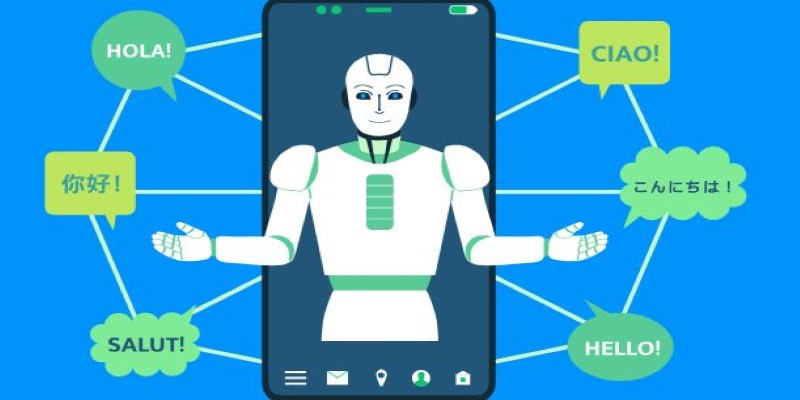
Language barriers, for example, become less of a hurdle. Machine learning can support multilingual content, translate key resources, or simplify dense policy text. This helps everyone, regardless of native language or literacy level, understand what matters.
It also brings hidden voices to light. By analyzing engagement data, internal communicators can spot which teams or roles aren’t connecting with key content. This insight, which could take weeks to gather manually, becomes immediate with AI. It leads to better targeting, clearer feedback loops, and more inclusive communication.
A smarter intranet connects people naturally. Instead of a dry staff directory, AI can suggest collaborators based on shared goals, projects, or skills. These connections aren’t forced—they come from real signals. Over time, this encourages open information flow and helps teams feel less isolated.
For remote or hybrid setups, this is even more valuable. AI can close physical gaps by creating a shared space that feels active and responsive. It turns the intranet into a meaningful part of everyday work.
AI alone doesn’t fix broken systems. What matters is how it’s used. The best intranet redesigns aren’t led by technology—they’re shaped by the people using them. That starts with understanding what employees need and what slows them down.
AI tools should be added gradually, with space for feedback and changes. If people feel monitored, overwhelmed, or confused, the value fades. Transparency is key. Users should know how their data is used and have control over what’s tracked or personalized.
It’s important to balance automation with a human touch. AI can suggest, guide, and streamline—but it shouldn’t replace clear communication or relationships. Leaders still need to speak directly, and teams still need room for honest conversations.
Training matters, too. A smart intranet only helps if people know how to use it. Instead of long tutorials, it should feel natural—like it’s quietly supporting, not getting in the way.
And the launch isn’t the end. AI systems need regular check-ins. What’s working? What’s ignored? What are people searching for but not finding? That feedback isn’t just data—it’s a roadmap. It points to what needs fixing and how to keep things useful.
A well-designed AI-powered intranet doesn’t just organize information. It improves how people feel about their work. It cuts down on wasted time, helps them find what they need, and removes digital obstacles they’ve learned to live with. When done right, it feels less like a system and more like support. Companies don’t need louder tools—they need smarter ones that adapt quietly and do their job without getting in the way. AI gives intranets that potential. The rest is up to how thoughtfully we build them.
Advertisement
How Llama Guard 4 on Hugging Face Hub is reshaping AI moderation by offering a structured, transparent, and developer-friendly model for screening prompts and outputs

How Gradio reached one million users by focusing on simplicity, openness, and real-world usability. Learn what made Gradio stand out in the machine learning community
Find the top eight DeepSeek AI prompts that can accelerate your branding, content creation, and digital marketing results.
Find the 10 best image-generation prompts to help you design stunning, professional, and creative business cards with ease.
Advertisement

DataRobot acquires AI startup Agnostiq to boost open-source and quantum computing capabilities.
Intel and Hugging Face are teaming up to make machine learning hardware acceleration more accessible. Their partnership brings performance, flexibility, and ease of use to developers at every level
Curious about ChatGPT jailbreaks? Learn how prompt injection works, why users attempt these hacks, and the risks involved in bypassing AI restrictions

Microsoft has introduced stronger safeguards and policies to tackle malicious Copilot AI use, ensuring the tool remains safe, reliable, and aligned with responsible AI practices
Advertisement
Learn the top 8 Claude AI prompts designed to help business coaches and consultants boost productivity and client results.
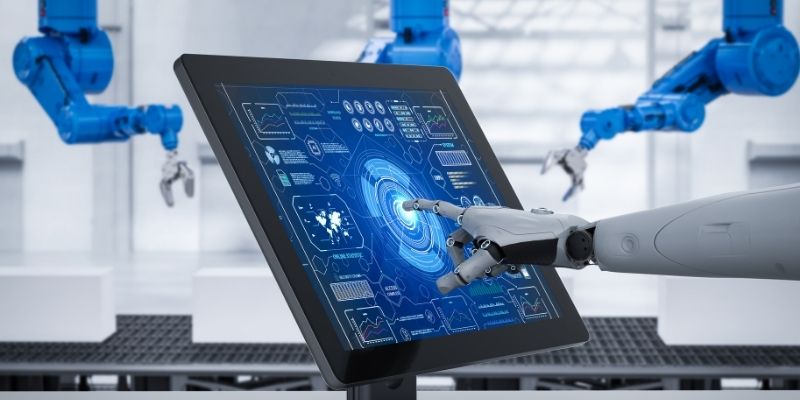
Siemens expands its industrial AI efforts, driving innovation and efficiency across manufacturing and engineering.
Speed up Stable Diffusion Turbo and SDXL Turbo inference using ONNX Runtime and Olive. Learn how to export, optimize, and deploy models for faster, more efficient image generation
Learn 5 simple steps to protect your data, build trust, and ensure safe, fair AI use in today's digital world.