Advertisement
Not long ago, robots felt like ideas from science fiction. That’s changing quickly. From homes to hospitals, machines are becoming part of our routines. They’re not just tools built for speed—they’re increasingly being designed to understand us, respond to us, and work alongside us.
This shift is less about cold machinery and more about how we want to live and interact. The future of robots and robotics is shaping not just how work gets done, but how people experience the world—quietly changing lives in practical, human-centered ways.
Robots are quietly becoming part of everyday routines, no longer confined to assembly lines or research labs. They’re showing up in living rooms, classrooms, and hospitals—places once thought too complex for machines. Whether assisting older adults, cleaning homes, or guiding students through lessons, personal robots are learning to respond to needs in real time.
The newest generation of robots focuses on awareness and empathy. Some can recognize facial expressions, detect mood through tone of voice, and react with sensitivity. In care environments, they remind patients to take medication or offer comfort through conversation. In schools, they help children who benefit from patient, steady interaction.
Rather than replace workers, robots are becoming partners. In warehouses and shops, they handle repetitive tasks while humans oversee, plan, and connect with customers. The aim isn’t dominance but support—freeing people from routine work so they can think, create, and focus on what needs human judgment, emotion, and understanding.
The new wave of robotics stands apart not because machines look different, but because they think differently. Instead of following rigid commands, modern robots use artificial intelligence to learn from experience and adapt to changing conditions. This shift gives them the ability to handle surprises — to think, in a way, on their feet.
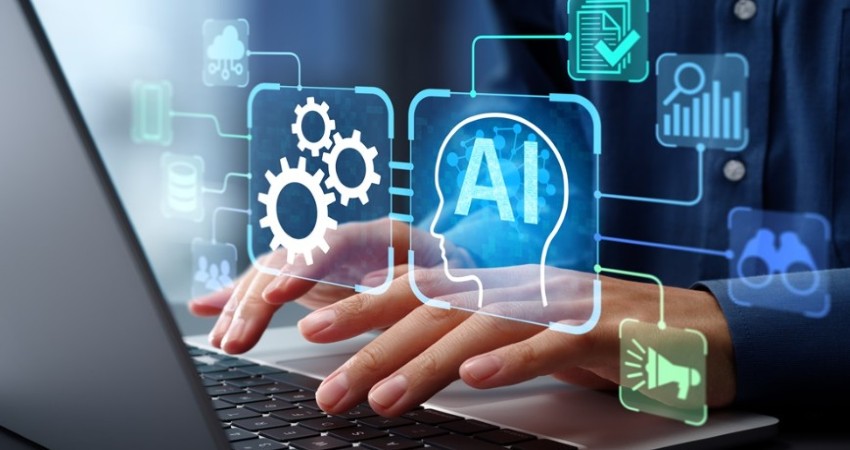
Machine learning drives this transformation. It allows robots in warehouses, hospitals, and streets to analyze sensor data, make quick judgments, and adjust instantly. A surgical robot adapting mid-procedure or a delivery bot finding a faster route isn’t science fiction anymore — it’s daily reality.
As autonomy grows, so does the conversation about control and trust. Self-driving cars, inspection drones, and service robots now make decisions once reserved for humans. That freedom raises hard questions: Who’s responsible when a machine makes a mistake? How transparent should its decisions be? These are not barriers but signposts, reminding us that progress must stay grounded in accountability. Smarter robots aren’t just about better performance; they’re about building systems that serve people with precision, safety, and conscience.
The spread of robotics technology brings more than new machines—it brings new realities for workers, policymakers, and communities. One of the most debated points is labor. Robots are changing roles, especially in industries like manufacturing, transport, and customer service. While some jobs fade, others shift or grow. That transition doesn’t happen by accident—it takes preparation and support.
Workers will need to reskill for jobs that require oversight, maintenance, or system management. In schools and universities, training needs to shift toward practical tech literacy and problem-solving. Creating pathways for current workers and students is key to making robotics a tool for growth, not division.
Access is another concern. The best robotics systems are often expensive and limited to large organizations. For smaller businesses or rural areas, advanced automation might feel far off. This inequality risks creating gaps in productivity and opportunity. Broader access to useful robotics tools is not just good economics—it’s fair.
Ethics and safety add further complexity. Can a robot be trusted to make decisions about health, travel, or protection? Who ensures it won’t be misused? Regulations will need to evolve, balancing innovation with clear rules. It’s not only about what robots can do, but what they should do—and who gets to decide.
There’s also the social aspect. As machines grow more lifelike, human relationships may shift. People may rely on robots for care or companionship, which raises emotional and psychological questions. This isn’t an argument against progress, but a reminder that technology affects people not just through function, but through feeling.
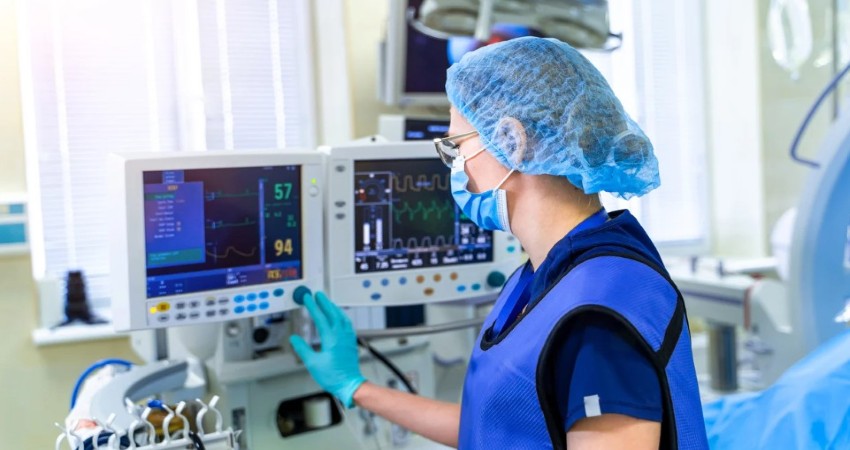
Looking ahead, robots will become a normal part of daily surroundings, not just support systems in industry. In healthcare, machines are being trained to assist with surgeries, monitor vital signs, and support rehabilitation. With round-the-clock function, they help ease pressure on staff while offering consistency.
In agriculture, robotics is already helping address changing climate conditions. Drones monitor crop health, while autonomous machines plant, fertilize, and harvest with speed and care. These systems save time, reduce waste, and offer real help in regions struggling with labor shortages.
Cities will change, too. From sidewalk delivery bots to robotic construction equipment, urban life is becoming shaped by machines that can move, lift, and repair on their own. These tools reduce physical risk and help speed up projects that once took much longer.
Beyond Earth, robots are leading exploration. Machines on Mars collect data that would take human teams much longer to gather. In the future, robots may build or maintain facilities on the Moon or other planets. Their role is not just about reach—it’s about enabling longer-term human presence in harsh environments.
In all of this, the future of robots and robotics is about integration, not dominance. Machines will fit into human-designed spaces, routines, and values—not the other way around. If developed thoughtfully, they’ll act as helpers, not replacements.
The future of robots and robotics isn’t just technical—it’s personal. These machines are becoming part of homes, hospitals, farms, and cities. Their presence raises questions about trust, fairness, and connection. But it also brings real chances to improve how we live and work. From supporting health care to helping grow food or explore space, robots can offer steady hands where people need them. What matters is how we guide that development—through thoughtful design, fair access, and clear ethics. As robots become more present in daily life, it’s our choices that will shape whether they serve or sideline the human experience.
Advertisement
Is self-driving tech still a future dream? Not anymore. Nvidia’s full-stack autonomous driving platform is now officially in production—and it’s already rolling into real vehicles

AI content detectors don’t work reliably and often mislabel human writing. Learn why these tools are flawed, how false positives happen, and what smarter alternatives look like

PaLM 2 is reshaping Bard AI with better reasoning, faster response times, multilingual support, and safer content. See how this powerful model enhances Google's AI tool

How the Philadelphia Eagles Super Bowl win was accurately predicted by AI, showcasing the growing role of data-driven analysis in sports outcomes
Advertisement
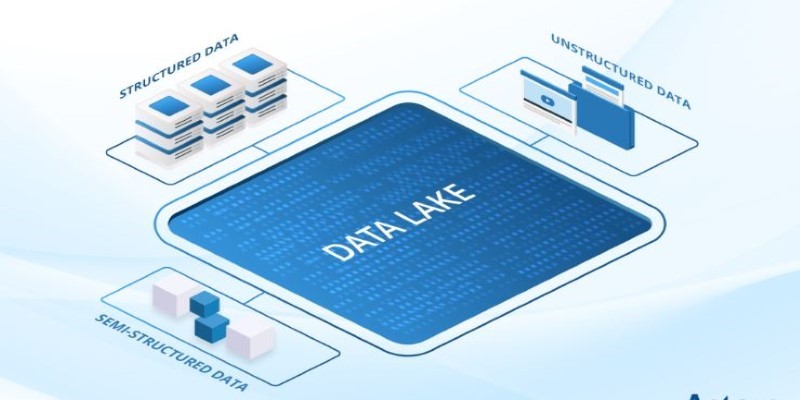
What data lakes are and how they work with this step-by-step guide. Understand why data lakes are used for centralized data storage, analytics, and machine learning
Explore the concept of LeRobot Community Datasets and how this ambitious project aims to become the “ImageNet” of robotics. Discover when and how a unified robotics dataset could transform the field
IBM Plans $150B Technology Investment in US, focusing on semiconductors, AI, quantum computing, and workforce development to strengthen innovation and create jobs nationwide

Find the 10 best image-generation prompts to help you design stunning, professional, and creative business cards with ease.
Advertisement

How Gradio reached one million users by focusing on simplicity, openness, and real-world usability. Learn what made Gradio stand out in the machine learning community

How Amazon S3 works, its storage classes, features, and benefits. Discover why this cloud storage solution is trusted for secure, scalable data management
Learn the top 8 Claude AI prompts designed to help business coaches and consultants boost productivity and client results.
DataRobot acquires AI startup Agnostiq to boost open-source and quantum computing capabilities.